Regent Roofing
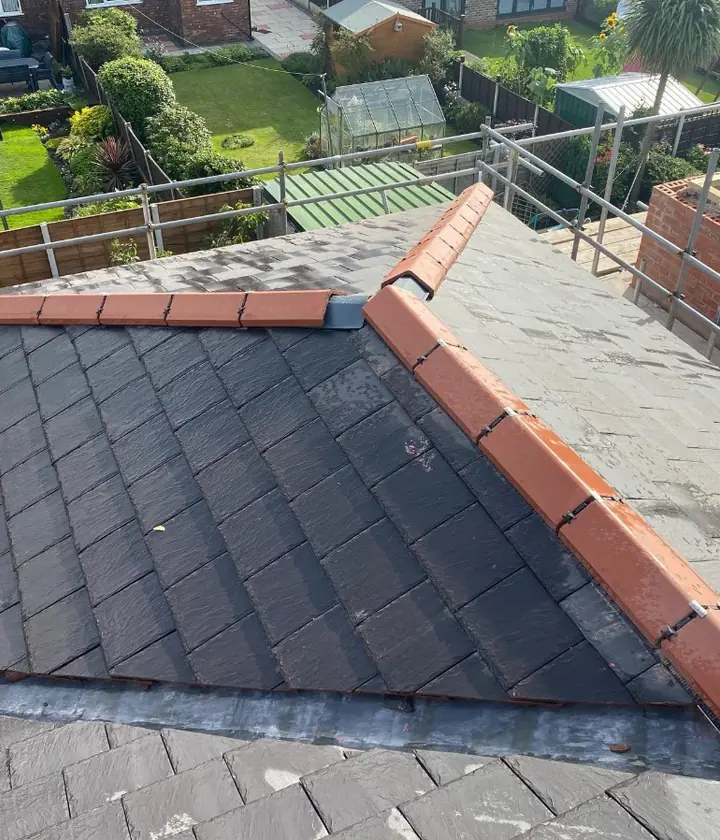
Slate roof meeting at a valley
Natural & Fibre Cement Slate

Slate Roofs in Worcestershire

Tired, cracked or slipping slate roofs stripped and re-slated in natural or fibre cement slate, set out evenly so your finished roof keeps its clean, traditional lines.

Get a FREE Quote

Fill in the form and we'll get back to you shortly.

Step 1 of 2

Slate Roofs

Slate Roof Replacement

Slate is thin, so a slate roof depends on every piece sitting flat and staying fixed. Over time the nails holding each slate corrode, slates crack or start to split into layers, and gaps open across the slope. When that happens across the roof, refixing slates one by one rarely keeps up, and re-slating becomes the practical choice.

A re-slate begins by stripping the roof back to the rafters. After a breathable membrane goes down, battens are spaced to the length of the slate so each course has the right headlap, then the slates are fixed with copper nails or stainless steel hooks. The ridge and hips are finished with dry fixed systems.

Natural slate and fibre cement slate look alike from the street but behave differently. Natural slate is split from quarried stone and carries the character of an older home, while fibre cement is made to a uniform size and weight. Which suits your roof depends on its pitch, the house and any planning requirements in your area.
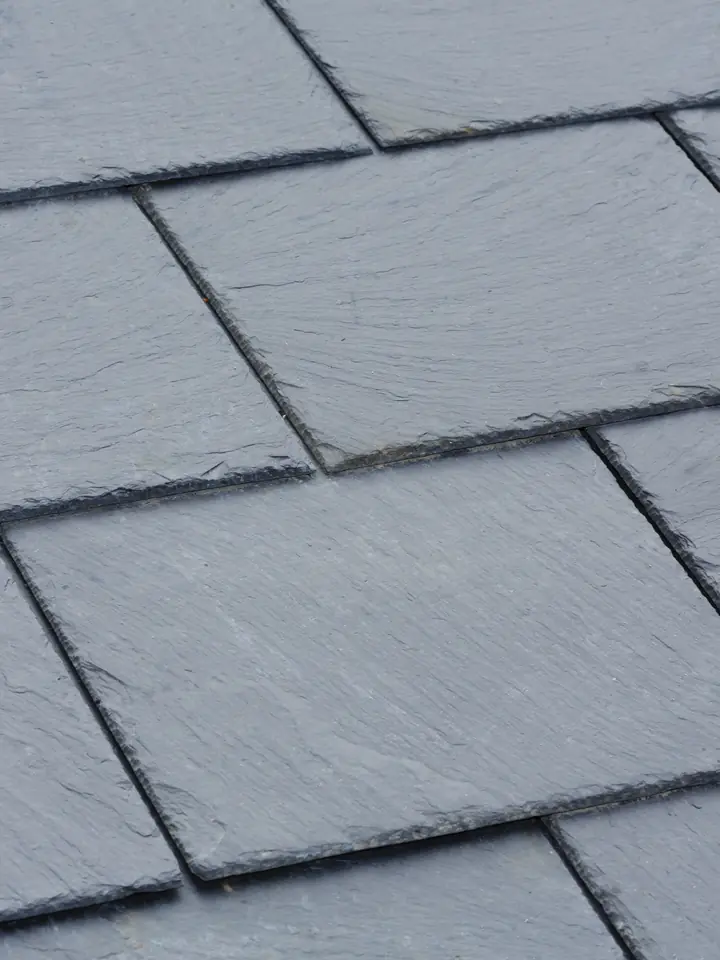
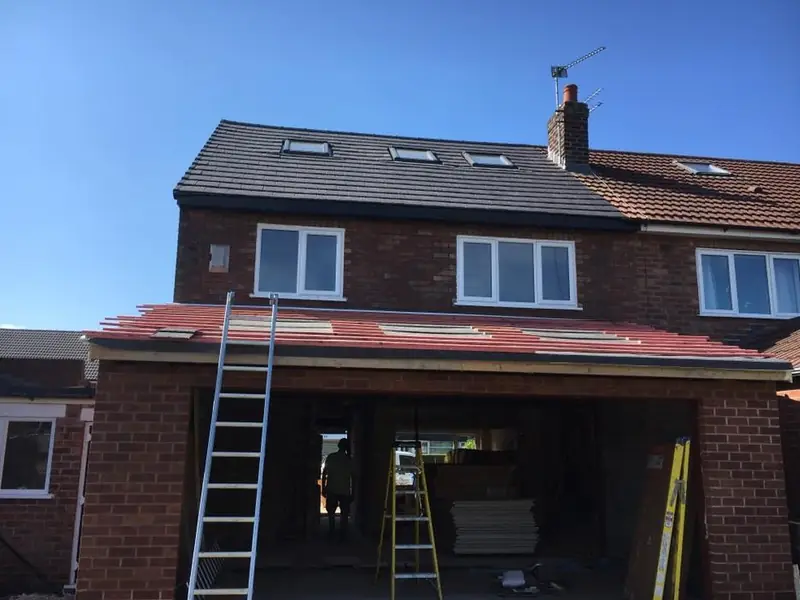
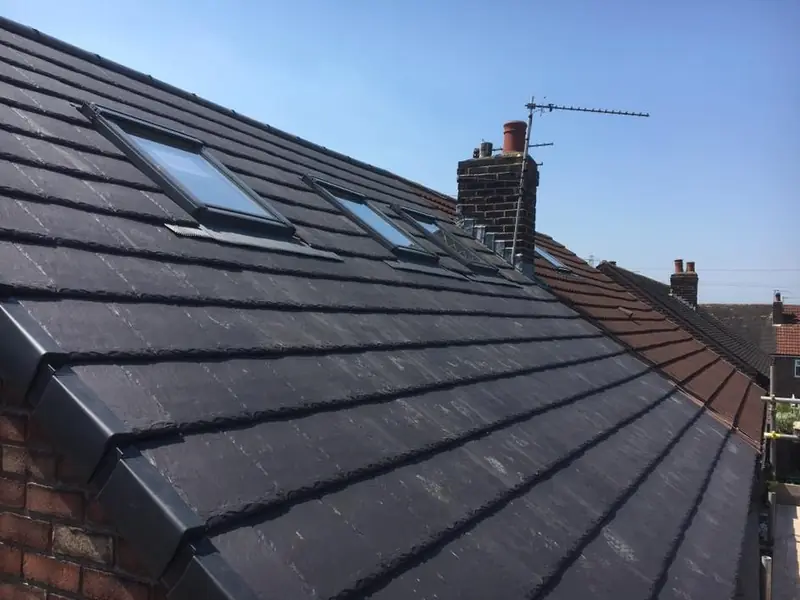
Close view of natural roof slates
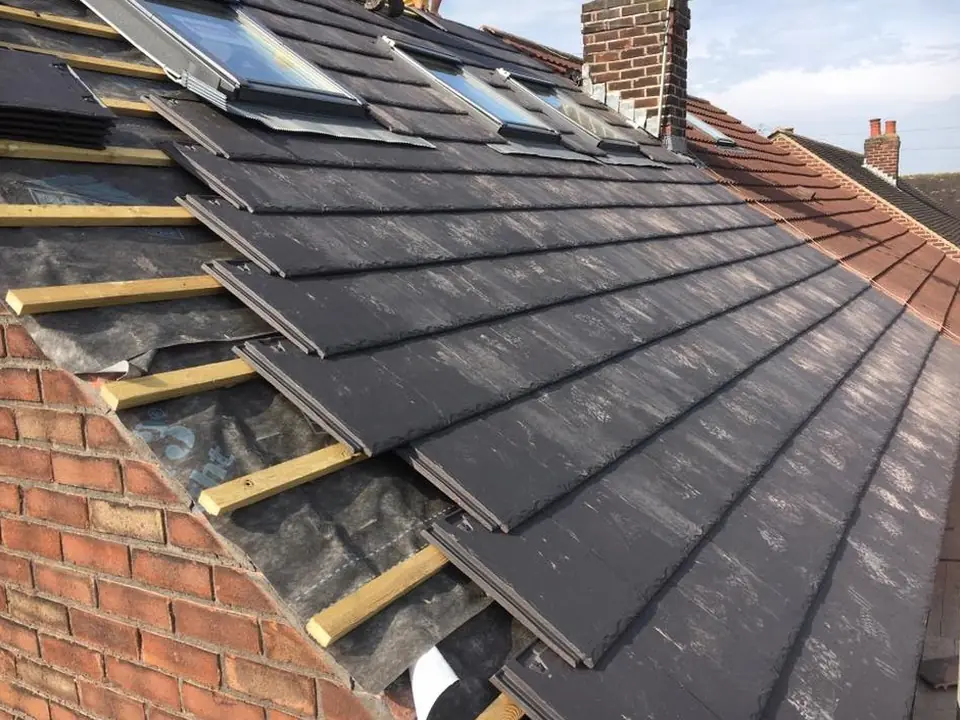
Slate roof being laid on a house extension
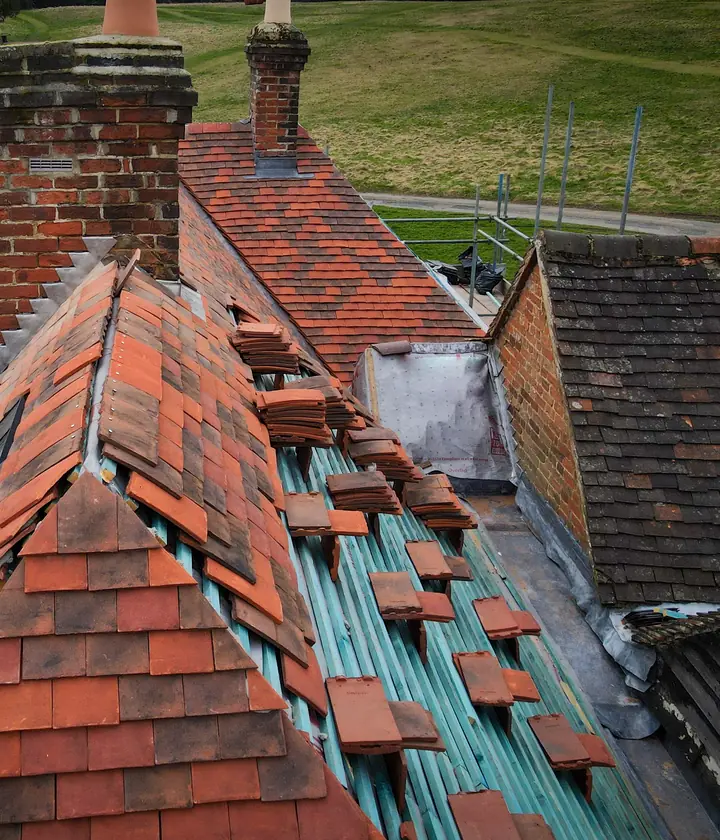
Courses of slate on a newly laid roof
Slates nailed to new battens on a roof
Slate Roof Work

Inside a Re-Slate

Each slate roof is rebuilt in full, from the membrane over the rafters to the ridge.

  • Existing slates removed to the rafters
  • Roof timbers checked before work starts
  • Breathable membrane across the roof
  • Battens spaced for the correct headlap
  • Natural or fibre cement slates
  • Copper nails or stainless steel hooks
  • Ridge and hips finished with dry fixing
  • Slate verges cut and closed neatly
Why Choose Us

Why Choose Regent for Slate

Slate leaves little room for error, so the setting out is checked before the first course goes on.
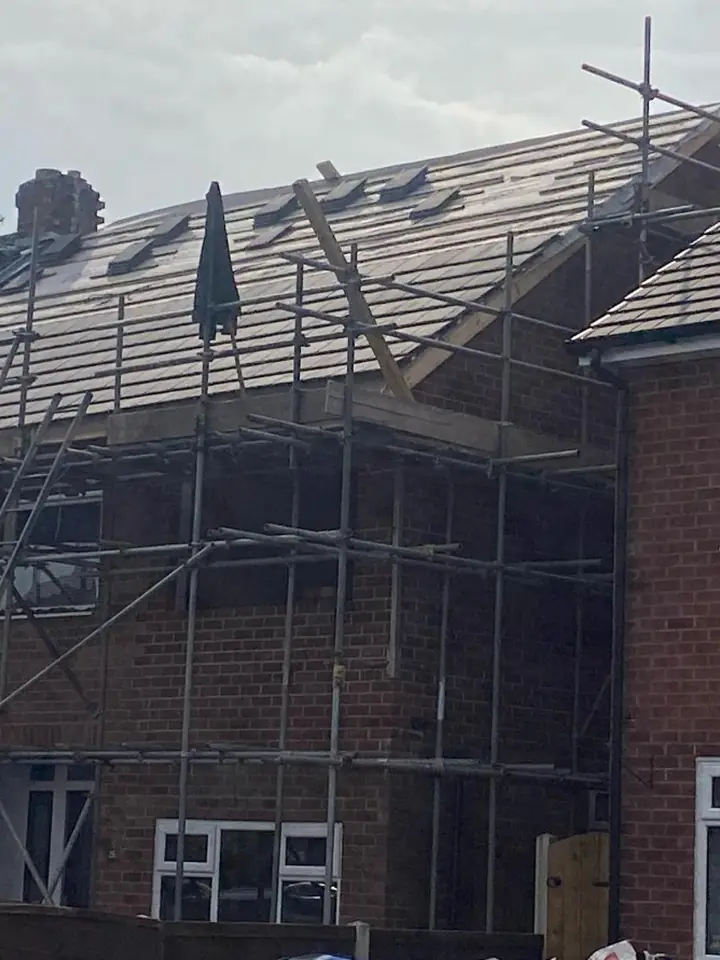
Slate roof work behind a scaffold

Even Courses, Clean Lines

Battens are set out to the slate size first, so courses run straight and the gauge stays even from eaves to ridge.

Both Slate Types

Natural and fibre cement slate are both fitted, so your roof decides the choice, not a sales pitch.

Secure Fixings

Each slate is held by copper nails or stainless hooks, chosen to suit the slate and its exposure.

Planning Checked

If a listing or conservation area applies, the slate is agreed first, so nothing has to be redone.

Ready to Book a Roofer?

Ring Regent Roofing, or leave your details for a quote.

Swipe to See More

Planning a Slate Roof?

Ring now, or leave a few details and a quote will follow.

Related Services

See Related Roofing Work

Swipe to See More

How It Works

How Re-Slating Works

A new slate roof follows these stages, each one finished before the next begins.

01

Phone with Your Postcode

Call 0800 151 2875, say where you are and what the slates are doing, and a visit is booked.

02

Slate Survey

Slates, nails, battens and timbers are checked, plus any planning points that affect the slate.

03

Choosing the Slate

You get a price with natural and fibre cement options explained, so they can be compared.

04

Re-Slate the Roof

The old slates are stripped, then membrane, battens and new slates go on in even, straight courses.

05

Final Check

We review the completed work with you and confirm everything has been done as agreed.

Swipe to See More

FAQs

Slate Roof Questions

What Is the Difference Between Natural & Fibre Cement Slate?

Natural slate is split from quarried rock, so each piece varies slightly in thickness and texture, and its colour stays true over time. Fibre cement slate is manufactured, lighter and uniform in size, giving a flatter, more regular finish. Both make a sound roof when they are fixed correctly.

Why Are the Slates on My Roof Slipping?

The usual cause is nail sickness: the nails holding the slates corrode until they snap, and the slates slide down the roof. Once many slates are moving, it shows the fixings across the whole roof are failing, which is when re-slating is worth considering.

Can Old Slates Be Reused on My Roof?

Sometimes. Sound natural slates can be salvaged and mixed in, often on the front slope, but slates that are cracked, soft or flaking are not worth reusing. The condition of the existing slate is checked before this is decided.

Are Slates Fixed with Nails or Hooks?

Both methods are used. Nailing through each slate is the traditional approach, while stainless steel hooks hold the slate at its tail and need no holes near the top. The slate, the pitch and the exposure of the house decide which fits.

What Roof Pitch Does Slate Need?

Slate relies on its overlap rather than interlocking edges, so it needs a reasonable pitch to shed rain. The lower the pitch, the greater the headlap required, and on very shallow roofs slate may not be suitable at all. Your roof pitch is measured at the survey.

Do I Need Permission to Change My Slate Roof?

Replacing slate with similar slate rarely needs permission. If the property is listed or sits within a conservation area, or you want to change to a different material, the local planning office may need to approve it first, and this is checked before any slate is ordered.
Contact

Can't Find the Answer You're Looking For?

Get in touch with us today.

Call 0800 151 2875Get a FREE Quote