Regent Roofing
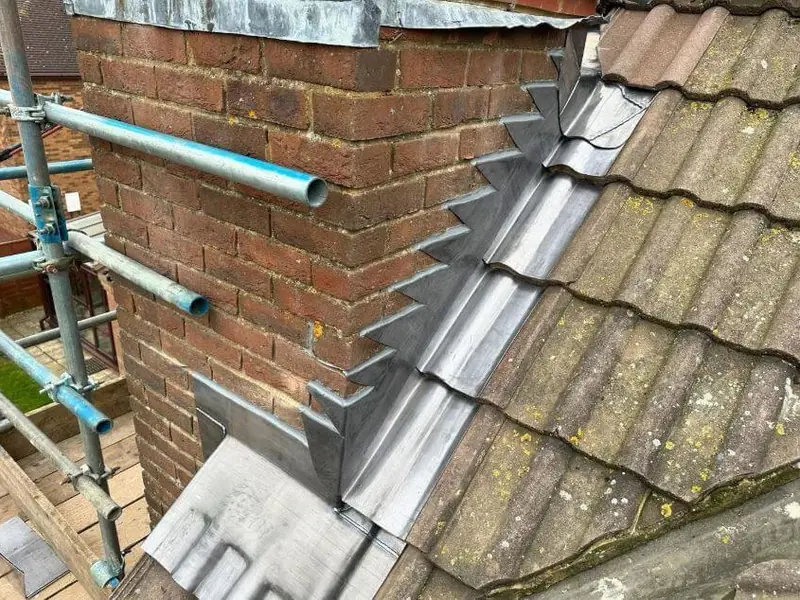
Red tiled roof with lead flashing around the base of a brick chimney
Flashings, Soakers & Valleys

Leadwork in Worcestershire

Split, lifted or sealant-patched lead around your chimney, bay, dormer or wall abutment replaced with new sheet lead, dressed to shape so rain runs off instead of in.

Get a FREE Quote

Fill in the form and we'll get back to you shortly.

Step 1 of 2

Leadwork

Lead Flashing Replacement

Every point where the roof runs into something (a chimney, an abutting wall, the side of a dormer or the head of a bay) there is a joint that tiles alone cannot seal. Lead is what closes that gap. It is cut, folded and dressed over the junction so rainwater is carried back onto the tiles instead of down into the roof.

Over time lead can crack where it was worked too hard, creep down the slope, or pull out of the mortar joint that holds its top edge. Many failed flashings have been smeared with sealant or flashing tape, which hides the problem for a while before the water finds its way back in.

Replacing leadwork means taking out the old lead, checking the timbers and tiles around it, then fitting new flashings, soakers or valley linings sized for the job. The top edge is wedged into a raked-out joint and repointed, and every piece is dressed tight to the surface, so the junction stays watertight in wind-driven rain.
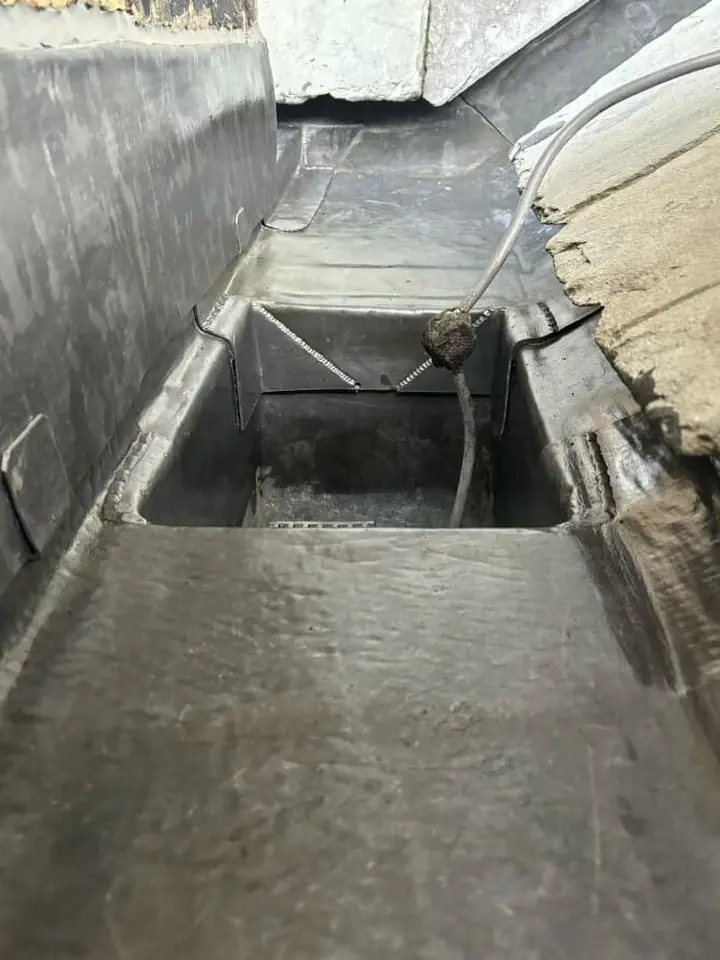
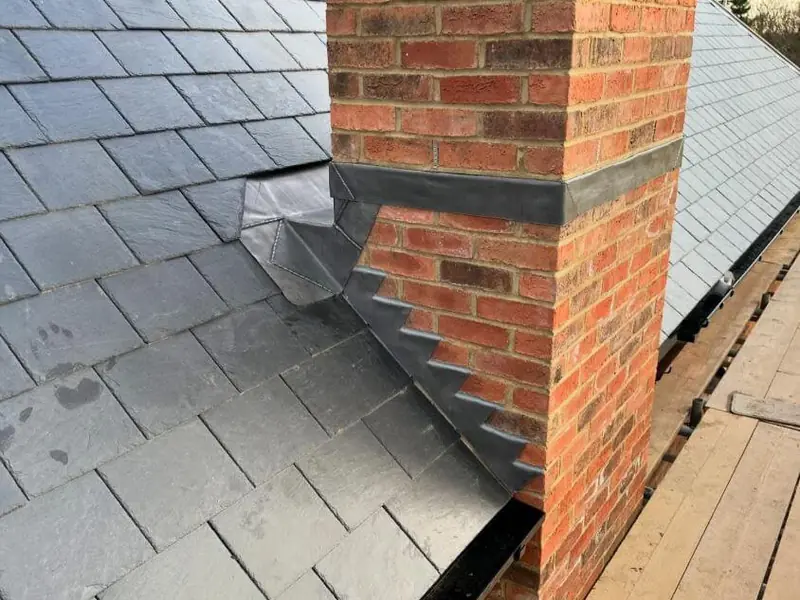
New lead flashing dressed into a roof
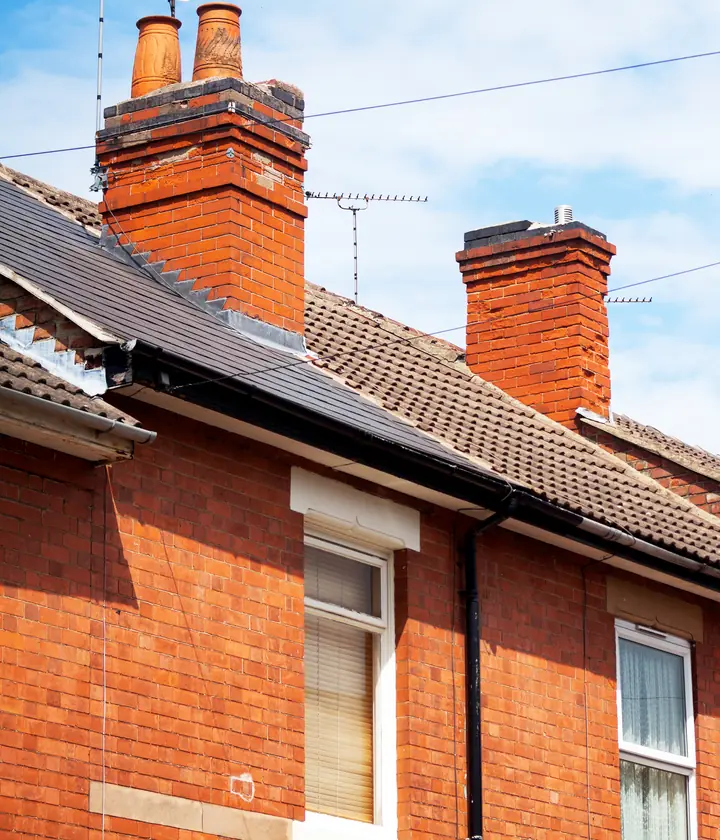
Stepped lead flashing where a slate roof meets a chimney
Lead flashing renewed beside a chimney on a tiled roof
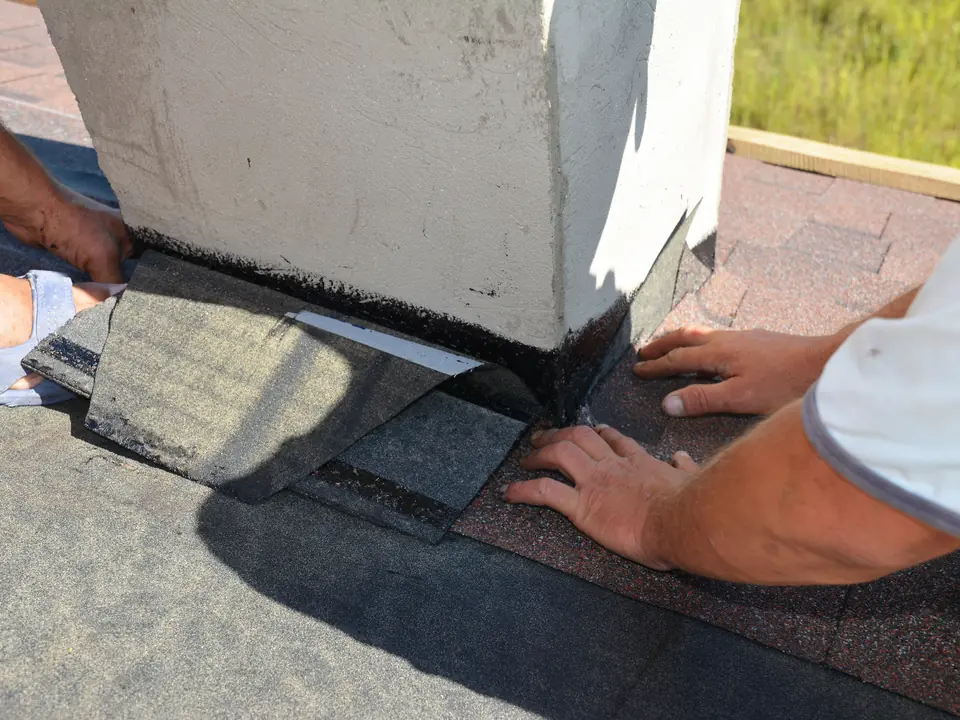
Lead flashing being fitted at the base of a chimney
Lead We Replace

Leadwork Covered

New lead for the junctions on a pitched roof where most hidden leaks begin.

  • Chimney step and apron flashings
  • Back gutters behind chimney stacks
  • Soakers under tiles at abutments
  • Lead-lined valleys between slopes
  • Bay window roofs covered in lead
  • Dormer cheeks and dormer tops
  • Abutment flashings against walls
  • Sealant-patched flashings stripped out
Why Choose Us

Why Choose Regent for Leadwork

Lead only keeps water out when it is cut and dressed to suit the exact shape of the junction it covers.
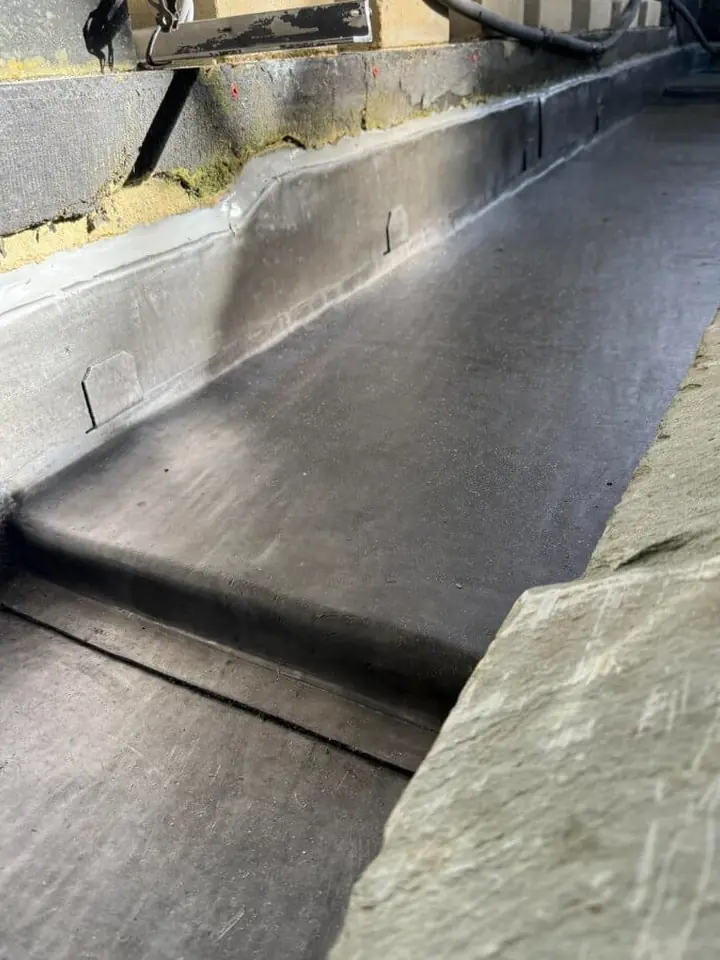
Lead work dressed around a roof detail

Dressed to Fit the Roof

Each flashing is shaped on site to the tiles and brickwork it meets, so there are no gaps for rain to blow into.

No Sealant Shortcuts

Failed lead is replaced with new sheet lead rather than covered over with mastic or flashing tape.

Chimney Junctions

Flashings, soakers and back gutters around a stack are renewed together as one watertight set.

Tiles Made Good

Tiles lifted to reach the soakers or valley are refixed or replaced to match the rest of the roof.

Ready to Book a Roofer?

Ring Regent Roofing, or leave your details for a quote.

Swipe to See More

Worn or Lifted Leadwork?

Ring now, or leave a few details and a quote will follow.

Related Services

Related Chimney Work

How It Works

How Leadwork Is Replaced

The main stages of renewing lead on a roof, from finding the failed joint to the final inspection.

01

Describe the Leak

Call 0800 151 2875 with your postcode and where the damp shows; a photo of the junction helps too.

02

Check the Junction

The lead, mortar joints and tiles around the leak are checked to find exactly where it has failed.

03

Your Leadwork Quote

You receive a price for the new lead needed, including any tiles to lift and joints to repoint.

04

Fit New Lead

The old lead comes out and new flashings, soakers or linings are dressed in, wedged and pointed.

05

Final Check

We review the completed work with you and confirm everything has been done as agreed.

Swipe to See More

FAQs

Leadwork Questions

What Is the Difference Between Step & Apron Flashing?

Step flashing runs up the sloping sides of a chimney or wall in a series of steps, each tucked into a mortar joint. Apron flashing is a single piece across the lower face of the stack, dressed down over the tiles. Most chimneys need both, along with soakers under the tiles at the sides.

What Are Lead Soakers?

Soakers are small pieces of lead slipped in between each course of tiles where a slope meets a wall or chimney, with the step flashing covering them from above. If soakers are missing or worn through, water runs down beside the tiles even when the flashing looks fine.

Can Lead Flashing Be Repaired with Sealant?

Sealant or flashing tape can hold back water for a short time, but it cracks and peels as the lead moves with the weather. Where flashing has split or lifted, replacing it with new lead is the lasting answer.

Why Is My Roof Valley Leaking?

A lead valley can split along its length, or lengths laid too long can pull apart as they expand and contract. Leaves and moss collecting in the valley also push water up under the tiles. Relining it in new lead stops the leak where it starts.

Do You Fit Lead on Bay Windows & Dormers?

Yes. The small roofs over bay windows and the cheeks and tops of dormers are often covered in lead, and these can be stripped and recovered in new sheet lead, with the edges dressed over the surrounding tiles and walls.

Why Does Lead Flashing Come Loose?

The top edge of a flashing is held in a mortar joint with lead wedges. When that mortar crumbles, the lead can pull out and lift in the wind, letting rain run behind it. Refixing it means raking out the joint, wedging the lead back in and repointing.
Contact

Can't Find the Answer You're Looking For?

Get in touch with us today.

Call 0800 151 2875Get a FREE Quote